Advertisement advertisements
The 10 essential utensils for introducing baby feeding. The introduction to feeding is an exciting and important moment in your baby's development.
As you explore new flavors and textures, it is essential to have the right utensils to make that transition smooth and safe.
I will show you the 10 essential utensils to ensure that the introduction of feeding your baby is a positive and nutritious experience. With detailed and practical instructions, you will be ready to face this new stage with confidence.
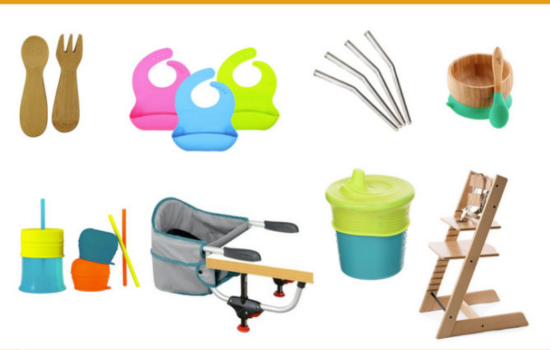
1. Macias Silicone Colheres
During feeding, the use of solid silicone pads is essential. They are very sensitive to the baby's gums and return to feeding a more comfortable experience. Opt for collars with a soft tip and ergonomic handle to make feeding easier.
2. Plateaus with Dividers
The dishes with dividers are excellent for separating different foods and preventing them from mixing. This helps the baby experience a variety of flavors without everything being transformed into a single mixture.
Advertisement advertisements
3. Treinamento Flakes
When the baby is too early to start drinking liquids other than milk, the training flakes are a smart choice.
These are the keys to secure and secure the cables that facilitate the transition of breast milk to the snowflake.
4. Waterproof Bibs
The introduction of food is frequently associated with bagunça. Waterproof baby clothes save this situation, protecting baby clothes from stains and stains. Opt for models with bags to collect food scraps.
5. Food Processor
When your baby is too soon to experience new textures, a food processor can be helpful.
It allows you to prepare purees and homemade potatoes with ease, ensuring that your baby consumes fresh and sautéed foods.
6. Cadeira de Alimentação Adequada
A safe and adjustable feeding chain is essential for positioning the baby during meals. Protect a chain with a safety belt and support for your legs, promoting a comfortable posture.
7. Non-Slip Silicone Mat
Prevent baby food and flakes from slipping during meals with a non-slip silicone mat.
This does not only reduce weight, but also ensures that the baby can concentrate on feeding.
8. Training Workshops
As your baby develops his or her motor skills, training tools are used to allow your baby to try to pick up dirty foods.
Choose models with ergonomic handles and rounded ends for greater safety.
9. Transition Cup with Tampa
When the baby is too soon to drink liquids, a breast milk is needed, a transitional cup with a lid is the best option.
The lid prevents spills and allows the baby to drink more independently.
10. Utensil Sterilizer
Keeping baby utensils clean and germ-free is essential. A practical utensil sterilizer to ensure that your dishes, dishes and flakes are always ready for use.
Além disso, a shop that indicates and what the legal options are to Baby Light is one of the best infant product stores. Click here
Conclusion
Certain utensils can make everything different during the introduction of feeding your baby. With 10 essential items, you will be prepared to make this experience safe, comfortable and nutritious.
Know that each baby is unique, therefore, adjust or use these utensils according to your child's individual preferences.
Frequently Asked Questions (FAQs):
1. When should I start feeding my baby?
Generally, the introduction of food begins around 6 months of age, when the baby is ready to explore new foods.
2. How many utensils should I buy before starting the introduction of food?
The 10 utensils mentioned in this article are essential to guarantee a smooth introduction to food. Make sure you have them at your disposal before starting the process.
3. How can I know if my baby is ready to use training tools?
When the baby begins to hit objects with mine and shows interest in imitating the feeding of adults, it is a sign that he is ready to experience training tasks.
4. Do I need to sterilize utensils after each use?
Sterilizing utensils after each use is a recommended practice, especially in the first months. As the baby grows, this frequency can be reduced.
5. What should I do if my baby holds or uses talheres?
It is common that babies take some time to get used to things. Continue to offer and model or use to encourage them to experiment.