Advertisement advertisements
What would you like to do first?
You will remain in the same place
Take control of your health today. Follow these 12 steps, see your doctor, and transform your life. Your well-being starts now!
Advertisement advertisements
💙 Manage your diabetes easily. Discover the app that makes it possible!
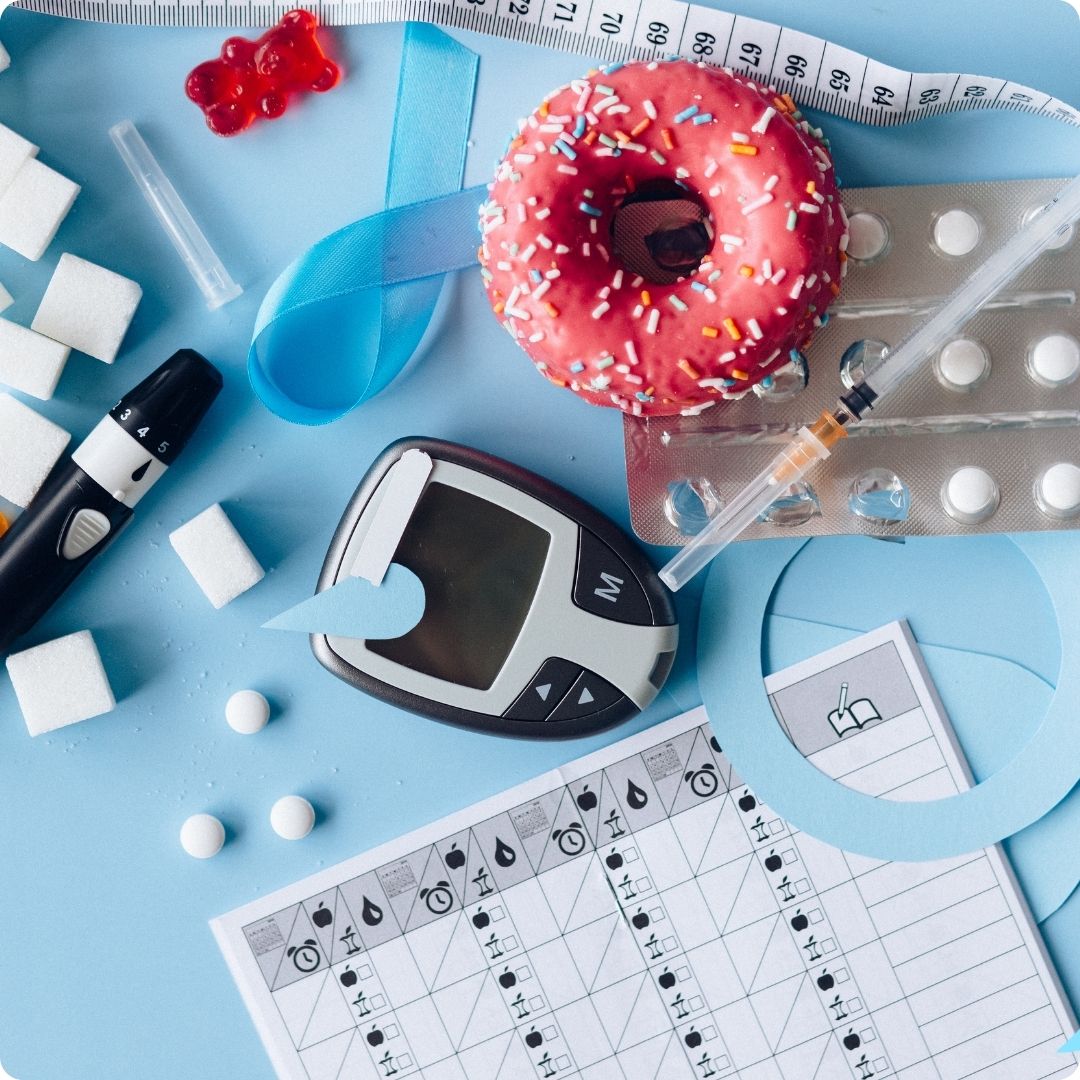
Type 2 diabetes is a condition that can be reversed in many cases with lifestyle changes.
Although there is no “magic cure,” symptoms can be controlled and even eliminated through a balanced diet, regular exercise, and other healthy measures.
But it is important to emphasize: Always consult a doctor before making any changes to your health routine.
Can Lemon Juice Help?
Lemon juice can be an ally in controlling diabetes, as it has a low glycemic index, is rich in vitamin C, and helps reduce inflammation.
In addition, it promotes digestion and improves nutrient absorption. However, It is not an isolated solution.
To truly control or reverse type 2 diabetes, it is necessary to adopt a series of healthy habits.
Now, discover the 12 essential steps to become an “ex-diabetic.”
1. See a Doctor Regularly
Before making any changes, it's essential to seek professional guidance. Your doctor can order tests, recommend the best strategy, and monitor your progress.
Diabetes can affect different organs in the body, such as the kidneys, heart, and eyes, so proper monitoring is essential to avoid complications.
Only a professional can adjust your medication or suggest personalized treatments for your case.
2. Reduce Refined Carbohydrate Consumption
Foods like white bread, pasta, and sweets quickly raise blood sugar levels. Choose complex carbohydrates, such as oatmeal, sweet potatoes, and brown rice.
Refined carbohydrates can also cause insulin spikes, contributing to weight gain and insulin resistance.
For a better transition, try gradually replacing processed foods with more natural options.
3. Prioritize Proteins and Healthy Fats
Include fish, chicken, eggs, avocado, olive oil, and nuts in your diet. These foods help control glucose and provide satiety.
Protein helps build muscle mass, which is essential for regulating blood glucose.
Healthy fats, for their part, are essential for hormone production and help reduce inflammation in the body.
4. Practice Physical Exercise
Activities such as walking, weight training, and HIIT (high-intensity interval training) improve insulin sensitivity and help with weight loss.
Physical exercise also reduces stress, improves sleep quality, and strengthens cardiovascular health. Ideally, find an activity you enjoy to maintain consistency, whether it's dancing, cycling, or swimming.
5. Control Your Body Weight
Excess fat, especially in the abdominal region, is directly related to insulin resistance.
Losing weight can help reverse the condition. Weight loss should be done in a balanced way, combining diet and exercise.
Small changes, such as reducing your consumption of processed foods and avoiding long periods without eating, can make a big difference in the long run.
6. Avoid Sugary Drinks
Soft drinks, artificial juices, and energy drinks contain large amounts of sugar and should be eliminated from your diet.
These drinks quickly raise blood glucose levels and can contribute to obesity. Opt for healthy alternatives such as naturally flavored water, unsweetened teas, and natural juices diluted with water.
7. Bet on Fibers
Foods rich in fiber, such as chia, flaxseed, vegetables, and fruits with peels, help slow down sugar absorption and improve intestinal flora.
Fiber also promotes greater satiety, helping to prevent overeating. Including fiber in your diet is an effective strategy for keeping glucose levels under control and preventing glycemic spikes.
8. Sleep Well
Lack of sleep can affect the hormones that regulate hunger and insulin. Prioritize at least 7 to 9 hours of quality sleep per night.
A good night's sleep also helps manage stress, reduces inflammation, and improves cognitive function. To sleep better, avoid electronic devices before bed and maintain a dark, quiet environment.
9. Control Stress
Stress releases hormones that increase blood glucose. Practice meditation, yoga, or breathing techniques to relax.
Contact with nature, pleasurable hobbies, and even therapy can help reduce the impact of stress on health.
10. Drink Enough Water
Hydration is essential to eliminate toxins and avoid blood sugar spikes. Prefer water and unsweetened teas.
Drinking water regularly also helps with digestion and improves kidney health, preventing complications related to diabetes.
11. Reduce Consumption of Processed Foods
Ultra-processed foods contain additives, unhealthy fats, and hidden sugars, which can worsen diabetes.
These products tend to cause spikes in blood glucose and can lead to long-term metabolic complications.
Choosing a diet based on homemade food and natural ingredients is essential to keeping blood sugar under control.
Read product labels, avoid those with artificial preservatives, and choose healthier options whenever possible.
12. Be Consistent and Persistent
Controlling or reversing type 2 diabetes is a process. Small daily steps make a difference. Stay committed to changing your habits.
Support team
Explore the applications below or contact our support team, tell us the type of profile you are looking for and we will help you find the ideal application for you.
Manage your diabetes with diabetes apps
Technology can be a great ally in managing diabetes.
There are apps that help monitor glucose levels, nutrition, and physical activity, making tracking more practical and accessible.
mySugr — Take control of diabetes!
mySugr is one of the most popular apps for diabetes monitoring.
It allows you to record blood glucose levels, carbohydrate consumption, physical activity, and even insulin administration.
It also offers detailed reports that can be shared with your doctor. For more accurate monitoring, the app can be connected to some compatible glucose monitors.
APPLICATION

mySugr – Manage diabetes
Diabetes – Blood Sugar
Diabetes – Blood Sugar is another useful application for those who need to keep a strict control of their glucose.
It offers tools to record blood sugar measurements, remind you of medication schedules, and track the progress of your condition over time.
It also features graphs and statistics that make data analysis easier. Although it doesn't require additional equipment, connecting the app to a glucose monitor can make tracking even more efficient.
APPLICATION
Diabetes – Blood Sugar
Conclusion
Reversing or controlling type 2 diabetes requires commitment and significant lifestyle changes.
Following these 12 steps can make a significant difference in your health and quality of life, helping to reduce blood glucose levels and prevent future complications.
Maintaining medical follow-up and adopting a balanced approach are essential to achieving the best results.
Small daily efforts can lead to significant long-term improvements and promote lasting well-being.